
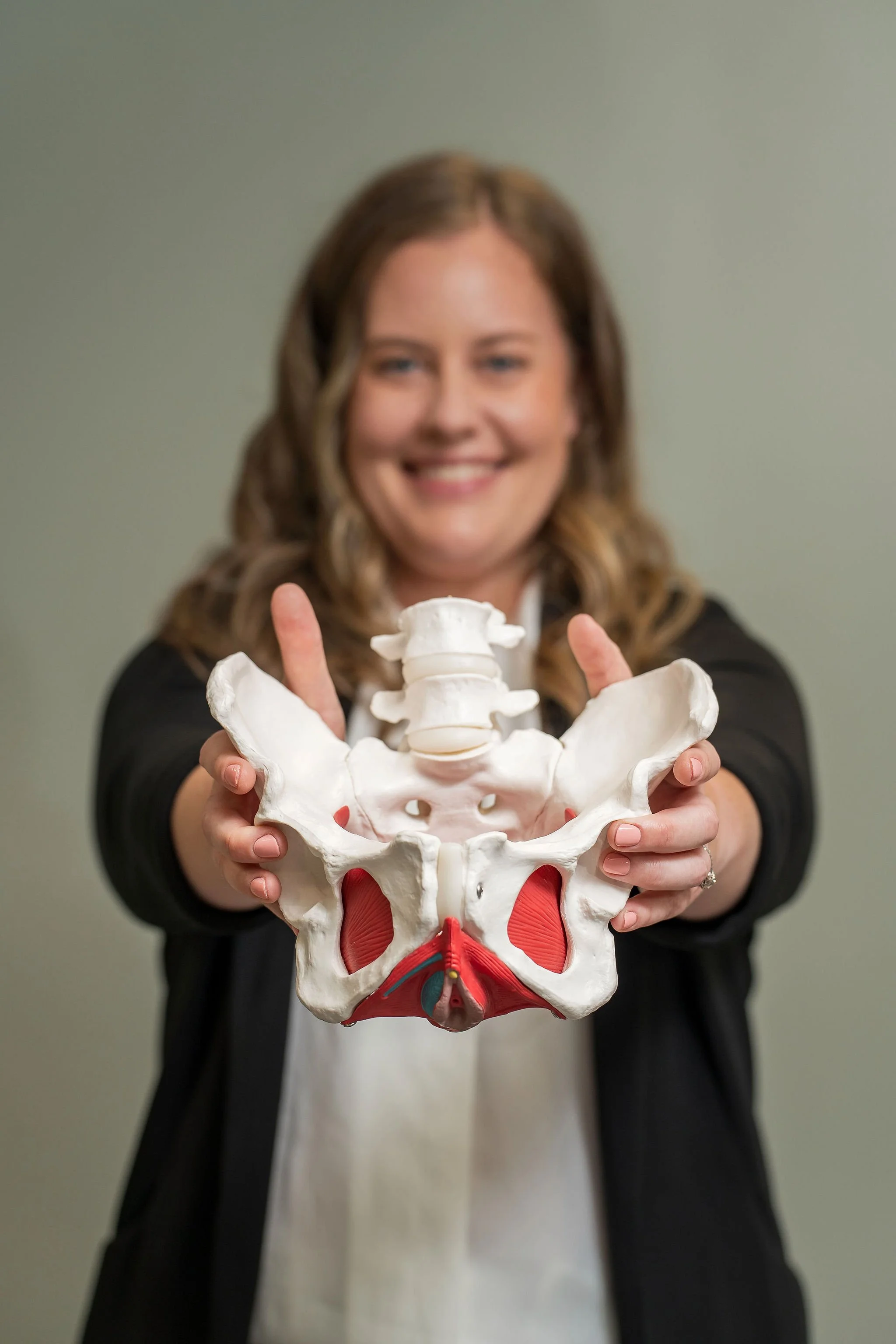
Pelvic Floor Physical Therapy For Women
Pelvic Floor PT isn’t just for one stage of life—it’s for every woman, at every age.
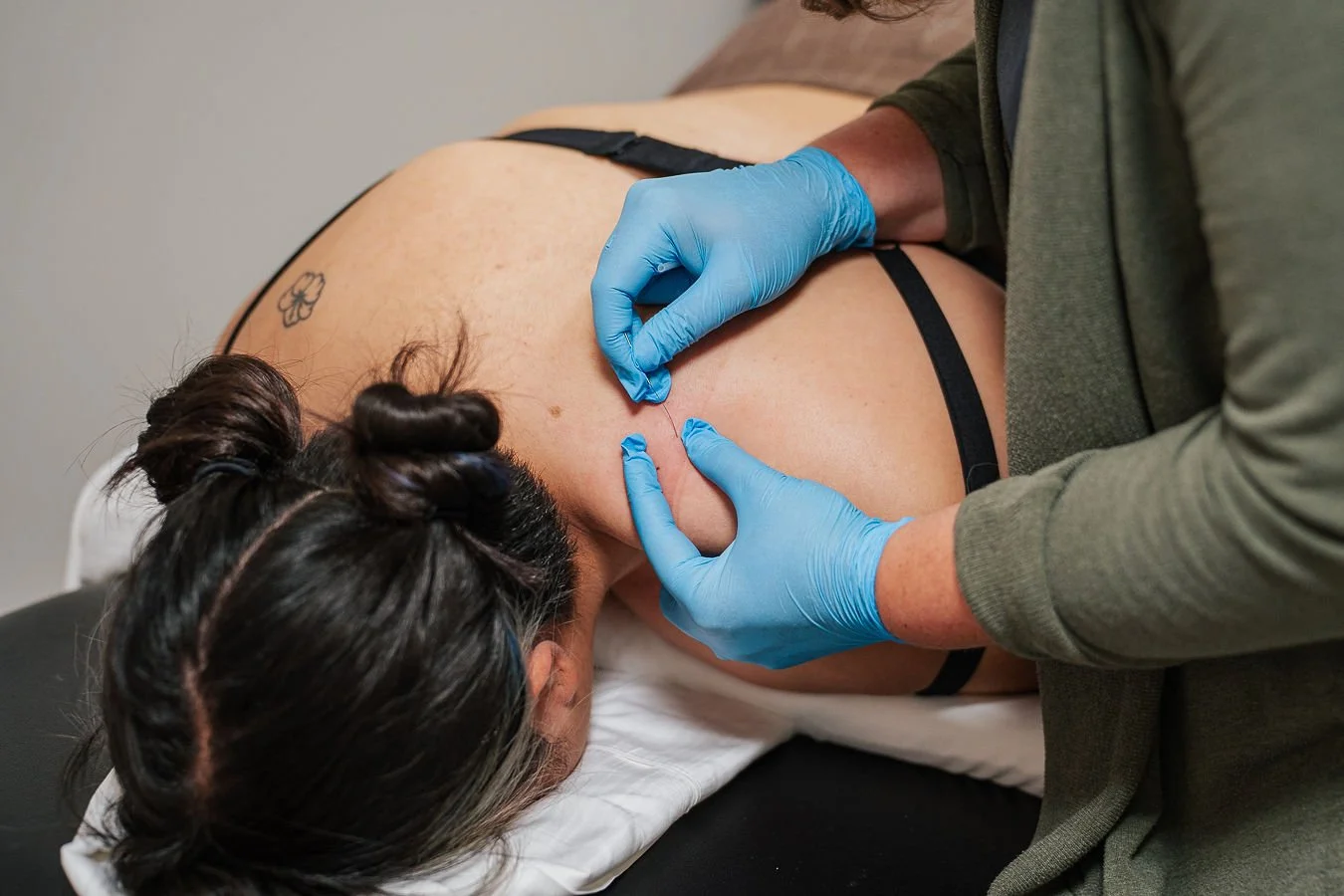

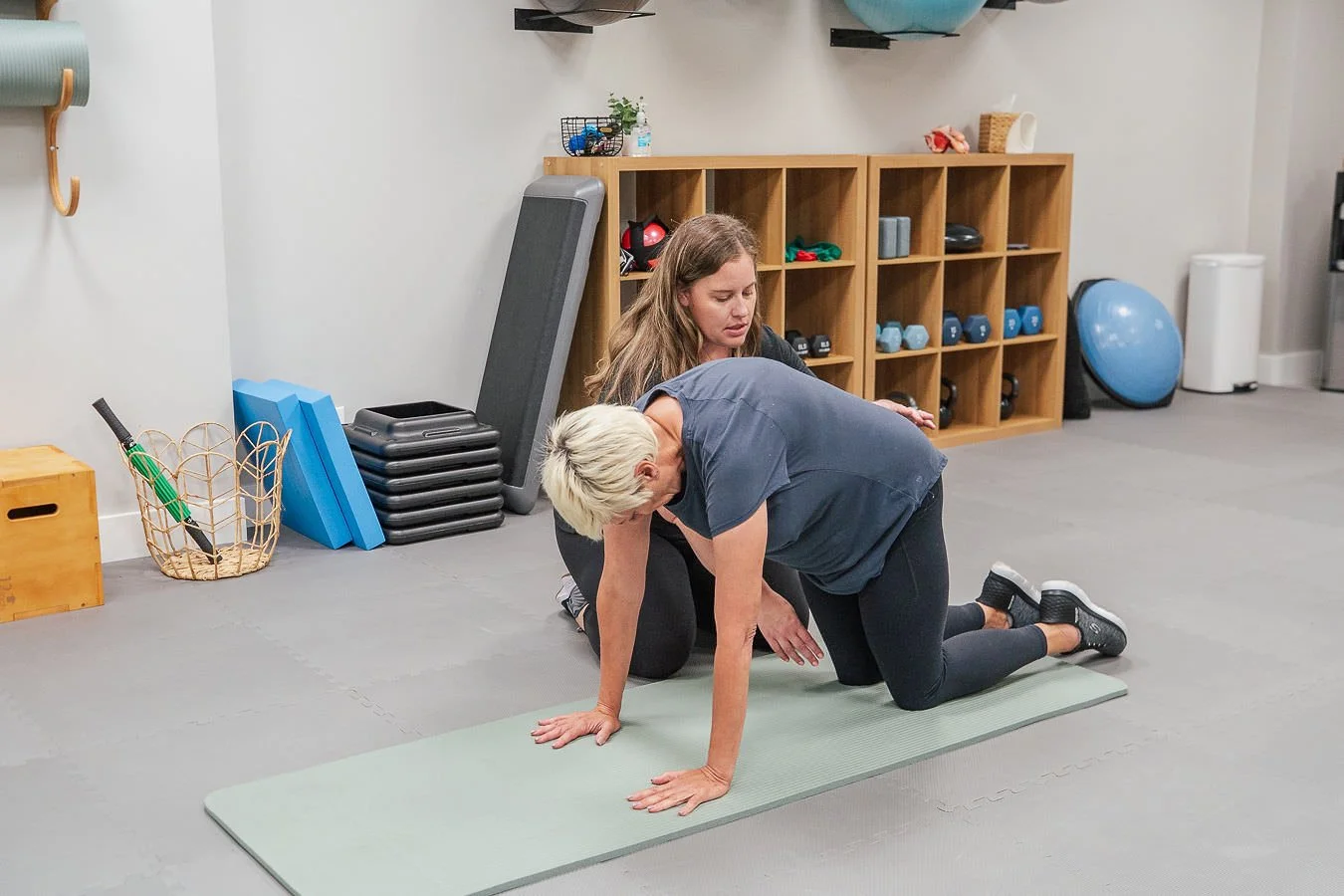
At Envision Pelvic Health & Wellness, we specialize in treating the full spectrum of pelvic floor dysfunction in women.
Whether you're navigating pelvic pain, urinary leakage, constipation, painful sex, or changes related to perimenopause and menopause, our experienced pelvic therapists provide compassionate, one-on-one care tailored to your unique needs.
Our mission is to help you feel supported, empowered, and truly heard, so you can reconnect with your body and feel like yourself again.
What is Pelvic Floor PT?
Pelvic floor physical therapy is a specialized form of physical therapy that evaluates and treats dysfunction of the pelvic floor muscles. These muscles support the bladder, uterus, and rectum, and they must be able to contract, relax, and coordinate properly.

A pelvic therapist looks beyond just “strengthening.” Pelvic floor PT addresses:
Muscle tension and overactivity
Weakness or poor endurance
Coordination with breathing and core muscles
Scar tissue and connective tissue mobility
Posture, hips, and spine mechanics
Pelvic PT is not one-size-fits-all. Every pelvic floor physical therapy plan is individualized based on your symptoms, goals, and body.
Why Work With a Pelvic Therapist?
Not all physical therapists are trained in pelvic health. A pelvic therapist has advanced education in pelvic floor anatomy, internal and external treatment techniques, and sensitive conditions unique to women.
Choosing pelvic floor physical therapy with a specialized pelvic therapist ensures:
Evidence-based care
Individualized treatment
A trauma-informed approach
Clear communication and education
Benefits of Pelvic Floor Physical Therapy
Working with a pelvic therapist offers benefits beyond symptom relief. Pelvic floor PT helps you understand your body and regain control.
Benefits of pelvic PT include:
Improved bladder and bowel control
Reduced pelvic pain and discomfort
Increased comfort with intimacy
Better core strength and stability
Improved posture and breathing mechanics
Confidence returning to exercise and daily activities
Pelvic floor physical therapy supports long-term function, not just short-term fixes.
What to Expect at Your First Pelvic PT Session
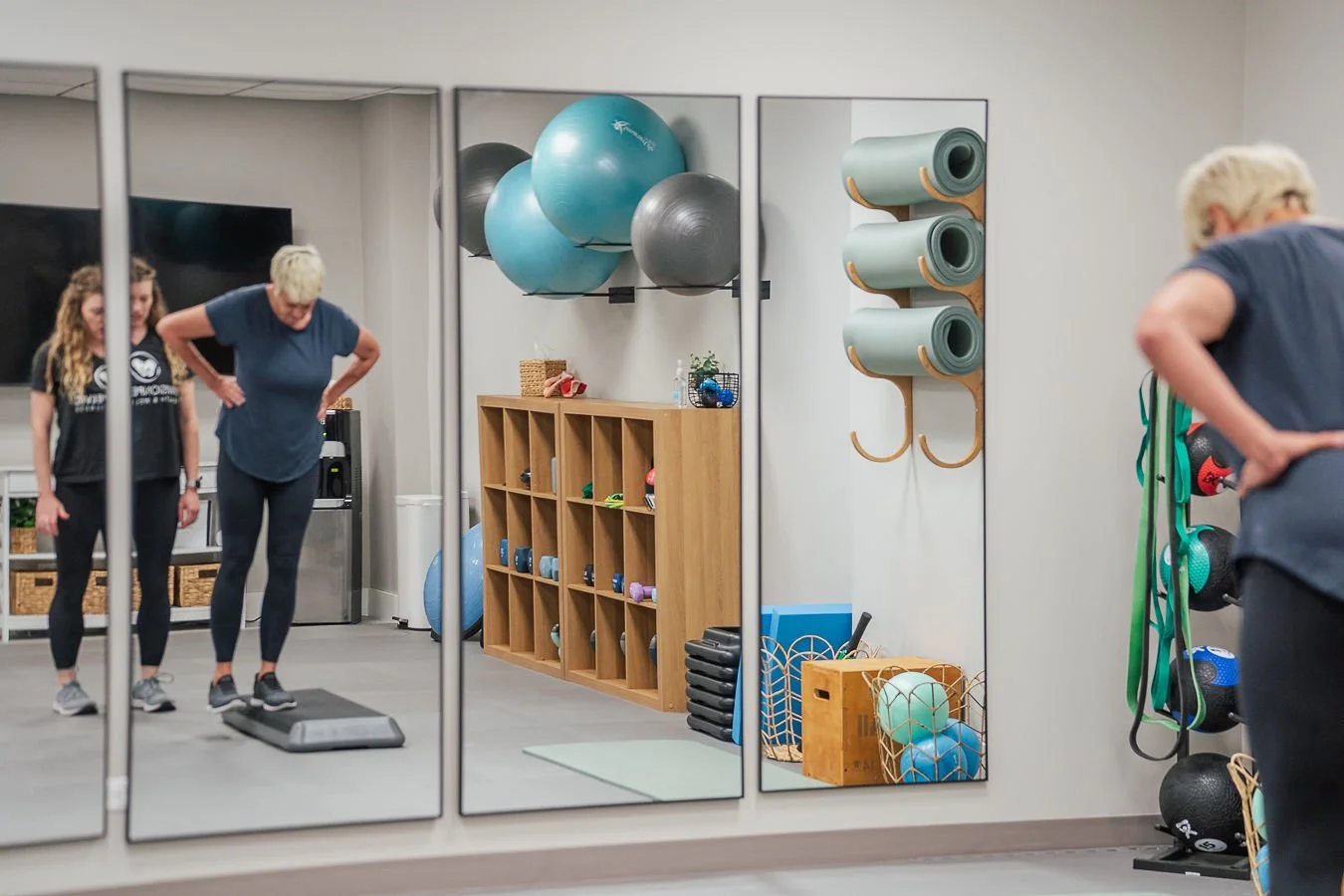
Your first pelvic floor physical therapy session is designed to feel informed, empowered, and safe.
During your initial visit, your pelvic therapist will:
Review your health history and symptoms
Discuss your goals for pelvic PT
Assess posture, breathing, hips, and core
Evaluate pelvic floor muscle function (with consent)
Explain findings and create a personalized plan
Internal exams are never required and are always discussed ahead of time. Your comfort and consent guide every step of pelvic PT.
Conditions We Treat
-
Pelvic Pain
We treat pain with intercourse, tampon use, sitting, or pelvic exams, as well as tailbone, hip, and low back pain related to pelvic floor dysfunction.
-
Urinary Dysfunction
From leakage to urgency, frequency, or incomplete emptying, we address bladder concerns that impact daily life
-
Bowel Dysfunction
We help manage constipation, straining, incomplete emptying, and bowel leakage with a pelvic floor-focused approach.
-
Sexual Dysfunction
We treat painful sex, decreased sensation, and pelvic floor-related barriers to intimacy with a compassionate, evidence-based approach.
-
Pelvic Organ Prolapse
We provide holistic care for symptoms of heaviness, bulging, or pressure caused by pelvic organ descent.
-
Pregnancy
We support your changing body through every trimester, addressing pain, pressure, and pelvic floor dysfunction.
-
Postpartum
Whether you had a vaginal or C-section birth, we guide your recovery with customized care for healing, strength, and function.
-
Perimenopause & Menopause Support
We address pelvic floor changes related to hormonal shifts, including bladder, bowel, and sexual health concerns.
Patient Testimonials
Frequently Asked Questions
-
No, in the state of Illinois a referral is not required to start pelvic floor physical therapy in most cases. You can schedule directly with a pelvic therapist. If your insurance or provider requires a referral, we’re happy to help guide you through that process.
-
Yes. You can absolutely attend pelvic PT while on your period. Pelvic floor physical therapy sessions can be modified based on comfort and symptoms. Internal pelvic exams are never required, and your pelvic therapist will always discuss options with you ahead of time.
-
No. Pelvic exams are not required for pelvic floor physical therapy. While an internal exam can provide helpful information in some cases, your pelvic therapist will only perform one with your full consent. External assessments and education are always an option.
-
Wear comfortable clothing that allows you to move easily, such as leggings, joggers, or athletic wear.
-
No. Pelvic floor physical therapy supports women at all stages of life — whether you’re pregnant, postpartum, perimenopausal, or beyond. Pelvic PT is appropriate whenever symptoms are present or prevention is a goal.
-
You can begin pelvic floor physical therapy as early as a few weeks postpartum, depending on your comfort and medical clearance. Pelvic PT is beneficial whether you are weeks, months, or years postpartum — regardless of whether you had a vaginal delivery or C-section.
-
Yes. Pelvic floor physical therapy is important after a C-section because pregnancy itself impacts the pelvic floor. A pelvic therapist can help address scar mobility, core coordination, pelvic floor muscle function, and postpartum recovery as a whole.
-
Yes, we welcome you to bring your baby to pelvic PT appointments. We understand the realities of postpartum life and aim to make pelvic floor physical therapy as accessible and supportive as possible.
-
Yes. You are welcome to bring a partner or support person to your pelvic floor physical therapy session if it helps you feel more comfortable. Your pelvic therapist will always respect your privacy and preferences.
-
The number of pelvic floor physical therapy sessions varies depending on your symptoms, goals, and consistency with home strategies. Your pelvic therapist will review progress regularly and adjust your plan as needed.