

Pelvic Pain Treatment
What Can Pelvic Pain Feel Like?
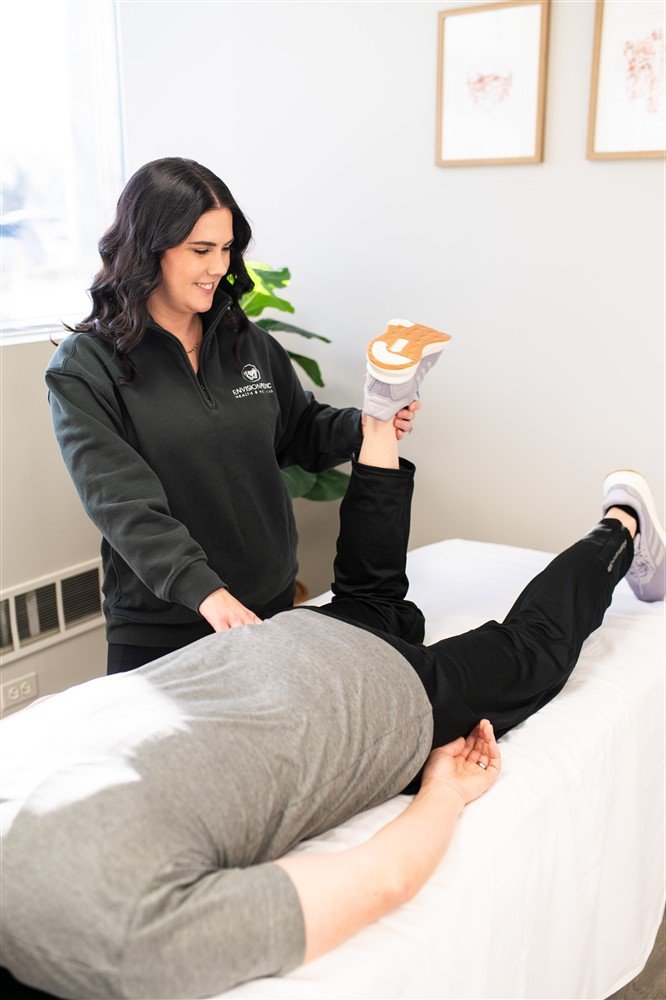
Pelvic pain can show up as aching, burning, pressure, pulling, or sharp discomfort in your lower abdomen, pelvis, genitals, groin, hips, or tailbone. It may come and go, follow your menstrual cycle, or happen during specific activities.
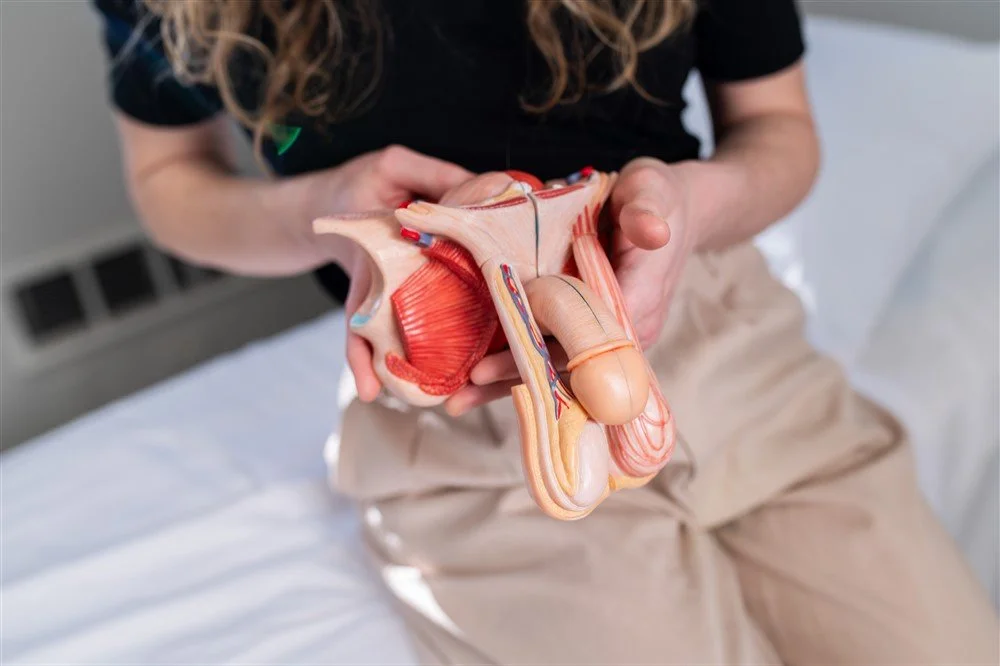
You may notice:
Pain with sex, penetration, erections, ejaculation, or orgasm
Vaginal, vulvar, penile, testicular, or perineal discomfort
Pain with tampon use or pelvic exams
Discomfort with sitting, cycling, exercise, or everyday movement
Bladder pain, urinary urgency, or discomfort with urination
Difficulty starting your urine stream or feeling fully empty
Pain or straining with bowel movements
Persistent discomfort after childbirth or pelvic surgery
Tenderness or pulling around a surgical or perineal scar
Difficulty relaxing your pelvic floor or a feeling that you are always clenching
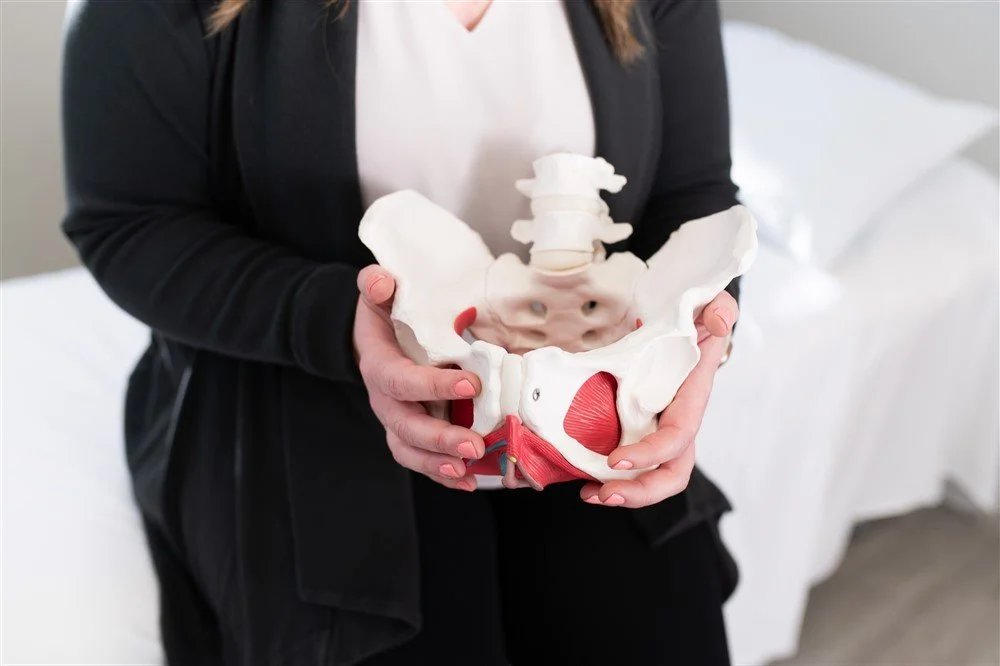
Personalized pelvic therapy to help you feel more comfortable in your body.
Pelvic pain can affect anyone. Maybe sitting through your workday is uncomfortable. Sex hurts. Going to the bathroom has become stressful. Or you’ve been told everything looks “normal,” but you’re still in pain.
At Envision Pelvic Health & Wellness, we provide one-on-one pelvic floor physical therapy for people of all genders. We help you understand what may be contributing to your pain and build a plan that fits your body, your comfort, and your goals.
Located in the Norwood Park neighborhood on Chicago’s Northwest side, our team takes a whole-body approach to pelvic health. We look beyond the location of your symptoms to understand how your muscles, joints, breathing, movement, and nervous system may be involved.
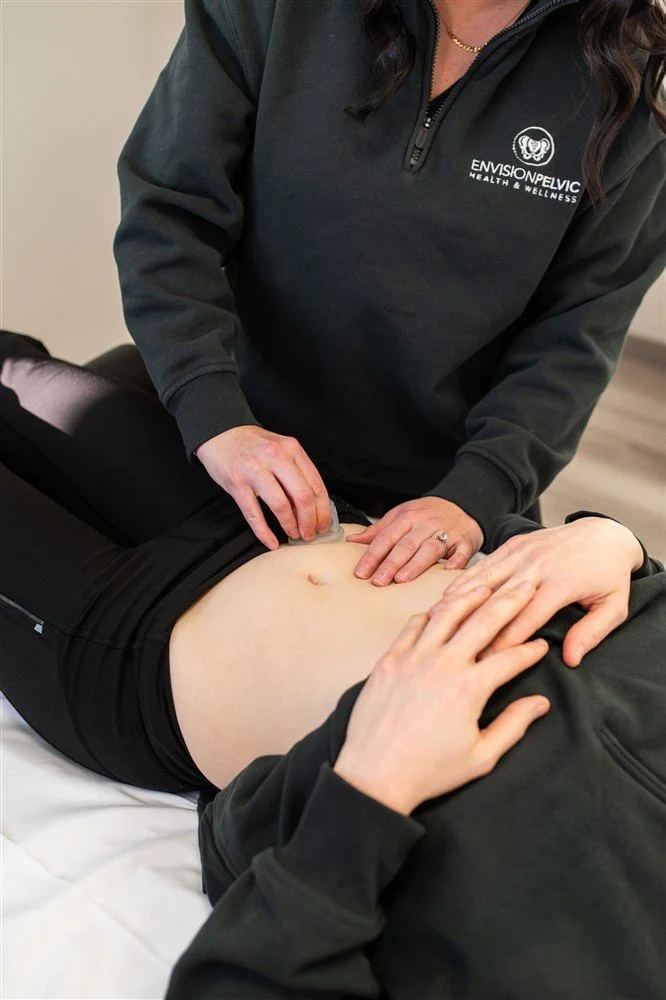
Common Diagnoses and Conditions We Treat:
Pelvic Floor Muscle Dysfunction (overactivity or tightness)
Endometriosis
Interstitial Cystitis / Bladder Pain Syndrome
Pelvic Congestion Syndrome
Coccyx (Tailbone) Pain
Pudendal Neuralgia
Vulvodynia / Vestibulodynia
Pain with tampon use or speculum exam
Chronic prostatitis symptoms
Dyspareunia (pain with intercourse)
Postpartum Pelvic Pain
Post-surgical Pain (after hysterectomy, C-section, prostatectomy, hernia repair, etc.)
Abdominal or Pelvic Adhesions
SI Joint Dysfunction or Hip Instability
Scar Tissue Sensitivity (from episiotomy, tearing, or surgery)
How We Help Pelvic Pain Conditions
-
Your pelvic floor needs to be able to contract, relax, and coordinate with the rest of your body. Sometimes these muscles stay tense or have difficulty letting go, contributing to pain and changes in bladder, bowel, or sexual function.
We assess how your pelvic floor works, not just how strong it is. Treatment may include hands-on care, breathing strategies, relaxation and coordination exercises, and changes to daily habits. When appropriate, we build strength as your muscles become better able to move comfortably.
-
Pain with intimacy can affect your relationships, confidence, and willingness to try again. You should not have to push through it.
We explore contributors such as muscle guarding, scar sensitivity, movement restrictions, and difficulty relaxing. Care may include gentle manual therapy, positioning options, pelvic floor coordination, and gradual exposure to touch or penetration when that matches your goals. Dilator education may be an option, but it is never a requirement.
Your goals guide treatment, and you set the pace.
-
Burning, stinging, or tenderness around the vulva or vaginal opening can make clothing, sitting, touch, and intimacy uncomfortable.
We assess for pelvic floor tension, muscle tenderness, and movement patterns that may contribute to symptoms. Treatment may include gentle desensitization, manual therapy, relaxation strategies, and practical adjustments to reduce irritation. We also collaborate with your medical providers because skin, hormonal, and other medical factors may need separate treatment.
-
The pelvic floor works closely with your hips, abdominal muscles, and back. When one area is painful or not moving well, other areas may work harder to compensate.
We assess these relationships and use targeted mobility, strengthening, coordination, and hands-on treatment to help everyday movement feel more comfortable.
For conditions such as pelvic congestion syndrome, we can address accompanying muscle and movement concerns while you receive medical care for the underlying vascular condition.
-
Living with endometriosis can involve painful periods, abdominal discomfort, painful sex, and bowel or bladder symptoms. Repeated pain can also lead to protective muscle tension and changes in how you move.
Our approach addresses the muscle tension, scar sensitivity, breathing patterns, and movement limitations that may accompany endometriosis. We help you develop strategies for flares and return to activities at a manageable pace.
Pelvic PT supports symptom management and function alongside your medical care; it does not remove endometriosis lesions.
-
Bladder pain, urgency, and frequent bathroom trips can make it difficult to leave home without planning around the nearest restroom.
When pelvic floor tension contributes to your symptoms, treatment may focus on helping those muscles relax and coordinate. We may also work on bladder habits, breathing, nervous system regulation and strategies for managing urgency, in coordination with your medical provider.
New or changing urinary symptoms may need medical testing to check for an infection or another cause.
-
Pain with sitting, driving, cycling, or changing positions can interfere with your entire day.
We assess your pelvic floor, hips, spine, posture, and tolerance for different positions. Depending on your findings, treatment may include manual therapy, pressure-relieving strategies, movement modifications, and gradual exercise. For nerve-related symptoms, we coordinate with your medical team as needed.
-
Pain after a C-section, vaginal delivery, hysterectomy, or another pelvic surgery can affect movement, intimacy, and daily life.
Once healing allows, we may work on scar sensitivity and mobility, pelvic floor coordination, abdominal function, and a gradual return to lifting and exercise. Early postpartum visits can focus on education, comfortable movement, and recovery strategies; internal assessment is deferred until at least six weeks and appropriate healing or clearance.
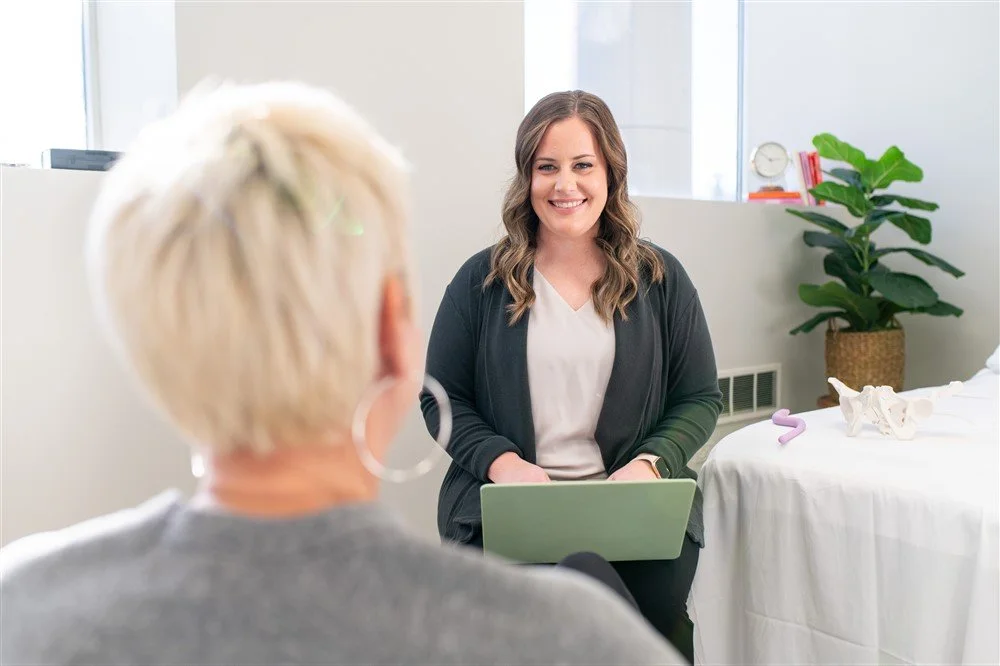
What Does Pelvic Pain Treatment Involve?
Your plan depends on what we find during your evaluation. It may include:
Hands-on treatment: External and, with your consent, internal techniques to address muscle tenderness, tension, and movement restrictions.
Scar care: Strategies to improve the comfort and mobility of healed C-section, perineal, or surgical scars.
Breathing and pressure management: Learning how your breath and pelvic floor work together during movement, lifting, and bathroom activities.
Nervous system support: Pain education, relaxation strategies, and gradual movement to help reduce protective guarding.
Personalized exercise: Mobility, coordination, and strength work matched to your symptoms and goals.
Additional treatment options: Dry needling or negative pressure cupping with LymphaTouch when appropriate for your findings and preferences.
A realistic home plan: Practical tools you can use between visits without making your recovery another full-time job.
We explain our recommendations so you understand what we are working on and why.
What to Expect at Your First Visit
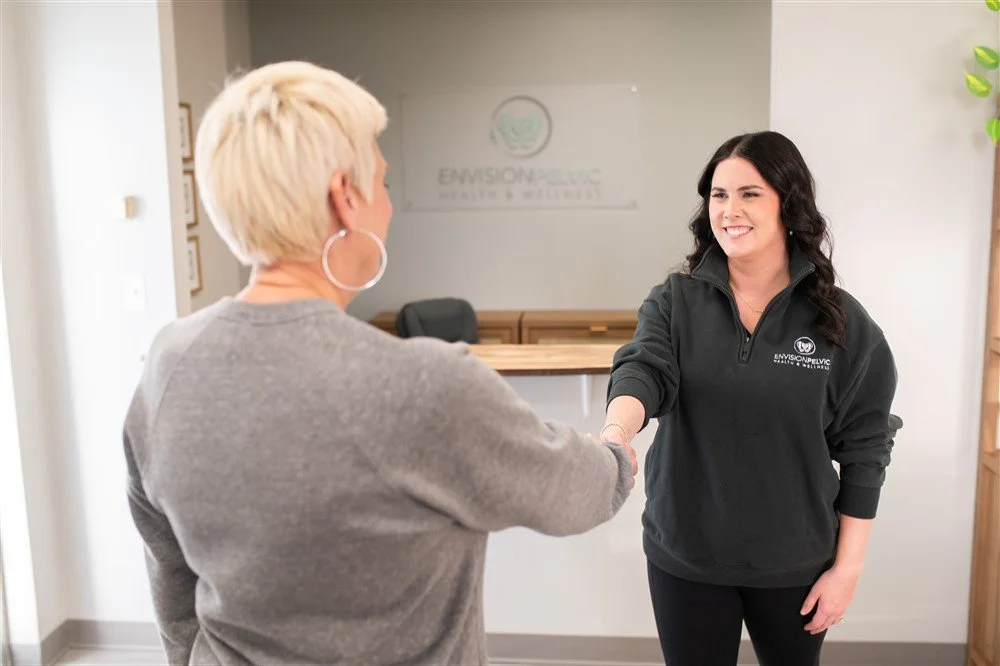
We Start by Listening
Your 60-minute evaluation gives us time to discuss your symptoms, health history, previous treatments, and the activities you want to get back to. We want to know how pain affects your life, not just where it hurts.
We Assess the Whole Picture
Your assessment may include breathing, posture, abdominal function, hip and back mobility, strength, and pelvic floor function.
An internal pelvic floor exam may provide useful information, but it is always optional. We explain each step, ask for your consent, and can begin with external assessment and treatment. You can pause or stop at any time.
We Build a Plan Together
Before you leave, we will discuss our findings, treatment recommendations, and initial steps you can take at home. Your plan will evolve based on your progress and what matters most to you.
Frequently Asked Questions
-
That depends on your symptoms, history, goals, and response to treatment. We will discuss a recommended plan after your evaluation and reassess your progress along the way.
-
Yes. Internal assessment and treatment are optional. We can discuss external approaches and make a plan that respects your comfort and preferences.
-
Sooner than you might think! You do not have to wait until your six-week checkup to get support.
Early postpartum appointments can focus on gentle mobility, pain management, breathing, getting in and out of bed, and making everyday tasks like feeding and carrying your baby more comfortable. We can also check on how you are healing and help identify concerns that need follow-up with your medical provider.
ACOG recommends contact with your obstetric care provider within the first three weeks postpartum. Pelvic PT can complement that care with support tailored to your recovery.
Early visits focus on external assessment, education, and comfortable movement. Internal assessment waits until at least six weeks postpartum, with appropriate healing and clearance. And yes—your baby is welcome!
-
We can generally begin once your catheter has been removed, following your surgeon’s instructions and any precautions. Early sessions may focus on pelvic floor coordination, bladder control, comfortable movement, and gradually returning to daily activities.
If possible, we highly recommend an appointment before surgery. We can review your pelvic floor function, discuss what to expect, and help you prepare for those early days after surgery. Having a plan ahead of time can make the recovery process feel more manageable.
-
Yes! Your period does not mean you need to cancel. Many of our patients experience increased symptoms during this time, and your appointment can be an opportunity to work on those concerns.
You can choose to defer internal assessment or treatment, or proceed if you feel comfortable. We regularly provide internal treatment during menstruation with patient consent. Either way, there is plenty we can work on, and we will adjust the session to your symptoms and preferences.
-
Yes—we love a collaborative approach to care! With your consent, we are happy to connect with your physician, surgeon, or other healthcare providers to share relevant findings, discuss your progress, and coordinate recommendations.
We want your care team working together so you feel supported throughout treatment.
-
Possibly. Some people experience mild, temporary soreness after treatment, especially following hands-on work or new exercises. We will explain what you might expect and discuss ways to stay comfortable afterward.
Treatment should stay within your comfort level, and you never need to push through pain. Let us know how you feel during and after your visits so we can adjust your care. If discomfort is significant, worsening, or not settling as expected, please contact us.